A conversation with the artist behind Fortune's NFT cover

Quick Take
- Digital artist pplpleasr has rocketed to fame in the crypto community following the success of the NFT-themed Fortune cover she designed.
- The Block sat down with pplpleasr to discuss non-fungible tokens and what drives her as a creator.
We'd love your feedback.
Before digital artist pplpleasr discovered non-fungible tokens (NFTs) last summer, she was in a pretty dark place.
For the first time in years, she was unemployed, depressed, and didn’t know what would come next.
As a way to pass the time between job applications and rejections, she started creating her own art. A friend referred her for a promotional freelance opportunity through which she created her first video about the world of decentralized finance (DeFi).
Because of the video’s success and word of mouth, pplpleasr designed many more DeFi animations. A few months later, she was hired by Uniswap to create a video promoting their V3 launch. pplpleasr ended up turning her animation into an NFT and in March, hosted her first NFT sale. The NFT sold for 310 ETH (about $520,000 at the time of sale).
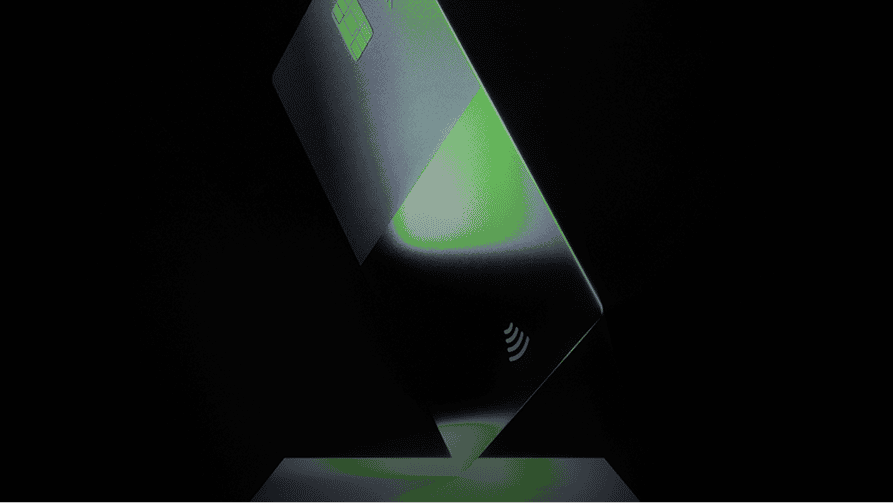
A year later, pplpleasr’s art is on the cover of Fortune magazine. She designed Fortune’s cover for its latest crypto-themed issue — and she collaborated with the business magazine to launch an NFT collection that raked in over $1.3 million (429 ETH).
Fortune was not the first magazine to dabble in the world of NFTs. But what it did was distinct from what Time did in that it launched a collection of 256 limited-edition NFTs inspired by the cover of its latest issue, with each digital token priced at 1 ETH. Fortune also minted three special-edition NFTs which were put up for auction on NFT marketplace OpenSea.
Recently, I sat down with pplpleasr to discuss NFTs and learn what motivates her as an artist.
How did you come up with your artist name?
I came up with the name “pplpleasr” really because it is a part of my personality to want to meet the expectations of the people around me as much as possible. I have a hard time saying no to people, so that’s how the name came about. I came up with it when I was starting my art Instagram account during the pandemic.
Was it difficult to turn your work into NFTs?
I’m pretty tech-savvy so it wasn’t a hard learning curve for me especially because I’ve been in crypto since 2017. I think the biggest learning curve was learning all the technical terms and knowing all that’s going on in DeFi. I first started minting NFTs using Rarible. Their site is pretty great and straightforward so there wasn’t much to learn there.
How is minting NFTs and creating blockchain-based art different from other types of art you’ve worked on?
It’s not really that different. I just see it as a different way to document the art or monetize it. Other than doing commercial work or trading our skillset for someone else’s creative vision, there wasn’t really a way for us to monetize our work. We would usually have to post it online, like on Instagram, in the hopes of getting likes and exposure, to ultimately get clients.
NFTs are a stark contrast from the old field that I come from, where everybody thinks their creative input is very important. This is the first time I’ve been given so much trust by all my clients so I have more room to develop my own ideas.
Do you see yourself continuing to make NFTs? How do you decide when to tokenize a piece of art?
For whatever reason, my career has evolved to a point where I don't feel my sole purpose is to create art, mint it and sell it. So the pieces I choose to mint and sell nowadays are usually things that can accelerate positive change, whether that’s through a charitable cause or by spreading crypto awareness. But hopefully, it’s a meaningful mint that stands behind an ethos that I value.
Let’s talk about the Fortune cover. What was that like?
Look, the whole process was pretty... I put a lot of pressure on myself. This was the first time I was doing a magazine cover and I felt like I’d been given such a stage to voice something meaningful. I wanted to make sure it looked good, professional and polished.
In terms of the aftermath, it’s been awesome, just seeing everybody on Twitter. It feels like I’ve united the Crypto Twitter community or something, where everyone’s going out and buying the magazine. Before, I was living in a very digital world, but this is the first time I feel it crossing over to the real world because I can go into a bookstore or newsstand myself and see that it’s sold out. It’s crazy.
In Fortune, you said crypto changed your life because of its passionate community and the opportunities it afforded you. But what are some of the challenges you’ve faced?
The downside is that sometimes it’s a little lonely. There are times when I don’t feel like people in the NFT community take me seriously as an artist. I think they think what I do is still very much commercial. The NFT world also feels really male-dominated. Honestly, I think the majority of digital artists who are generating a certain amount of revenue are male. I hope that changes.
I also think everyone thinks NFTs are synonymous with NFT art, which I don’t think is the case. I really hope we get to a future where we don’t need to rely on visual art to sell NFTs. I shouldn’t be saying that because I’m a digital artist myself and this is good for me, but to me, NFTs are just the technology and should be able to carry any sort of medium, not just visual art.
Do you think there will eventually be NFT museums and galleries similar to ones that exist for more traditional art?
That’s a tricky question. I think we’re so early, it’s hard to say. My linear brain sees us heading towards a future where the art is not being displayed in a gallery form, but could just exist [virtually] in the metaverse.
© 2026 The Block. All Rights Reserved. This article is provided for informational purposes only. It is not offered or intended to be used as legal, tax, investment, financial, or other advice.