%20--%3e%3csvg%20version='1.1'%20id='Layer_1'%20xmlns='http://www.w3.org/2000/svg'%20xmlns:xlink='http://www.w3.org/1999/xlink'%20x='0px'%20y='0px'%20viewBox='0%200%20548.6%2081.8'%20style='enable-background:new%200%200%20548.6%2081.8;'%20xml:space='preserve'%3e%3cstyle%20type='text/css'%3e%20.st0{fill:%23B3B2B2;}%20.st1{fill:%23333333;}%20.st2{fill:%23CB2A27;}%20.st3{fill:%239E2F2B;}%20.st4{fill:url(%23SVGID_1_);}%20.st5{fill-rule:evenodd;clip-rule:evenodd;fill:url(%23SVGID_00000081627807623978665650000007530117608280222350_);}%20.st6{fill-rule:evenodd;clip-rule:evenodd;fill:url(%23SVGID_00000124158375052983877420000016440253345571772322_);}%20.st7{fill-rule:evenodd;clip-rule:evenodd;fill:url(%23SVGID_00000162331698164625215240000016248320423653895854_);}%20.st8{fill-rule:evenodd;clip-rule:evenodd;fill:url(%23SVGID_00000176745200934897492200000012315166769339453352_);}%20%3c/style%3e%3cg%3e%3cg%3e%3cg%3e%3cpolygon%20class='st0'%20points='270.3,9.2%20268.5,9.2%20268.5,8.5%20272.9,8.5%20272.9,9.2%20271.1,9.2%20271.1,14%20270.3,14%20'/%3e%3cpolygon%20class='st0'%20points='273.5,8.5%20274.5,8.5%20276.3,13.1%20278.2,8.5%20279.1,8.5%20279.1,14%20278.5,14%20278.5,9.5%20278.5,9.5%20276.6,14%20276,14%20274.2,9.5%20274.2,9.5%20274.2,14%20273.5,14%20'/%3e%3c/g%3e%3c/g%3e%3cpath%20class='st0'%20d='M299.9,0h4.1v79.5h-4.1V0z'/%3e%3cg%3e%3cpath%20class='st1'%20d='M331.7,8.9h19.8c18.7,0,31.5,12.8,31.5,29.4v0.2c0,16.8-12.8,29.7-31.5,29.7h-19.8V8.9L331.7,8.9z%20M336.1,12.8V64h15.4c16.5,0,27-11.3,27-25.4v-0.2c0-14-10.4-25.7-27-25.7H336.1z'/%3e%3cpath%20class='st1'%20d='M390.3,8h5.1v5.7h-5.1V8z%20M390.9,24.9h4.2v43.2h-4.2V24.9z'/%3e%3cpath%20class='st1'%20d='M405.4,75.3l2.4-3.3c5.1,3.9,11.2,6,17.5,6c10,0,16.9-5.7,16.9-16.8v-6.3c-3.8,5.3-9.5,10-18.1,10%20c-10.4,0-20.8-8-20.8-20.4v-0.2c0-12.5,10.4-20.5,20.8-20.5c8.6,0,14.5,4.5,18.1,9.7v-8.6h4.2v36.5c0,6.3-2,11.2-5.4,14.6%20c-3.8,3.8-9.4,5.7-15.7,5.7C418.1,82,411.4,79.7,405.4,75.3z%20M442.5,44.5v-0.2c0-10-8.9-16.5-17.8-16.5c-9.1,0-16.8,6.3-16.8,16.3%20v0.1c0,9.8,7.8,16.5,16.8,16.5C433.6,61,442.5,54.3,442.5,44.5z'/%3e%3cpath%20class='st1'%20d='M455.5,8h5.1v5.7h-5.1V8z%20M455.9,24.9h4.2v43.2h-4.2V24.9z'/%3e%3cpath%20class='st1'%20d='M473.8,57V28.7h-6.3v-3.8h6.3V11h4.2v13.9h15.2v3.8H478v27.9c0,6.2,3.6,8.5,8.6,8.5c2.1,0,3.9-0.5,6.3-1.5%20v3.9c-2.3,1.1-4.4,1.5-7.1,1.5C479.2,69,473.8,65.4,473.8,57z'/%3e%3cpath%20class='st1'%20d='M496.7,55.5v-0.2c0-9.1,7.7-14,18.9-14c6,0,10.1,0.8,14.3,1.8v-1.8c0-8.8-5.3-13.3-14.2-13.3%20c-5.3,0-9.5,1.5-13.6,3.5l-1.5-3.6c4.7-2.3,9.4-3.8,15.4-3.8c5.9,0,10.6,1.7,13.6,4.7c2.9,2.9,4.4,6.8,4.4,12.2v27h-4.1v-7.2%20c-3,4.2-8.3,8.1-16.5,8.1C505.3,69.1,496.7,64.6,496.7,55.5z%20M530,51.9v-5c-3.6-0.9-8.5-2-14.6-2c-9.2,0-14.2,4.1-14.2,10.1v0.2%20c0,6.3,5.9,10,12.5,10C522.5,65.4,530,59.9,530,51.9z'/%3e%3cpath%20class='st1'%20d='M544.4,6.3h4.2v61.9h-4.2V6.3z'/%3e%3c/g%3e%3c/g%3e%3cpolygon%20points='20.5,8.6%2020.5,50.5%2048.1,50.5%2048.1,68.2%200,68.2%200,8.6%20'/%3e%3cpolygon%20points='76.7,8.6%2089,28.8%20101.3,8.6%20122.4,8.6%20122.4,68.2%20102,68.2%20102,40.4%2089.2,60%2088.4,60%2075.7,40.4%2075.7,68.2%2055.5,68.2%2055.5,8.6%20'/%3e%3cpath%20d='M163.5,33.1l-4.6,12.3h9.3L163.5,33.1z%20M153.6,8.2h20.1l25.1,60l-22.3,0l-3.1-7.9h-19.8l-3,7.9h-22L153.6,8.2z'/%3e%3cpolygon%20points='242.6,8.6%20235.1,19.8%20246.8,37.1%20266.1,8.6%20'/%3e%3cpolygon%20points='266.6,68.1%20246.7,38.7%20235.1,55.9%20243.4,68.1%20'/%3e%3cg%3e%3cpolygon%20class='st2'%20points='201.6,67.7%20221.9,37.8%20202.5,9.1%20224.7,9.1%20244.2,37.8%20223.9,67.7%20'/%3e%3cpath%20class='st3'%20d='M224.5,9.6l19.1,28.2l-19.9,29.4h-21l19.5-28.8l0.4-0.6l-0.4-0.6L203.4,9.6L224.5,9.6%20M225,8.6h-23.5%20l19.7,29.2l-20.6,30.4h23.5l20.6-30.4L225,8.6L225,8.6z'/%3e%3c/g%3e%3cg%3e%3clinearGradient%20id='SVGID_1_'%20gradientUnits='userSpaceOnUse'%20x1='220.9093'%20y1='-950.0897'%20x2='220.9093'%20y2='-925.641'%20gradientTransform='matrix(1%200%200%20-1%200%20-916)'%3e%3cstop%20offset='0'%20style='stop-color:%23FFFFFF'/%3e%3cstop%20offset='0.9448'%20style='stop-color:%23D83A16'/%3e%3c/linearGradient%3e%3cpath%20class='st4'%20d='M203.5,9.6h21l13.9,20.5c0,0-5.1,2.5-18.3,4L203.5,9.6z'/%3e%3c/g%3e%3clinearGradient%20id='SVGID_00000102544490061922048680000006716673136051575428_'%20gradientUnits='userSpaceOnUse'%20x1='-829.9603'%20y1='-469.8219'%20x2='-829.2181'%20y2='-469.8219'%20gradientTransform='matrix(0%2056.2842%20-56.2842%200%20-26433.2578%2046715.5)'%3e%3cstop%20offset='0'%20style='stop-color:%23000000'/%3e%3cstop%20offset='8.490400e-02'%20style='stop-color:%231E1E1D'/%3e%3cstop%20offset='0.2228'%20style='stop-color:%23444443'/%3e%3cstop%20offset='0.3965'%20style='stop-color:%236C6B6B'/%3e%3cstop%20offset='0.5991'%20style='stop-color:%239D9C9C'/%3e%3cstop%20offset='0.8233'%20style='stop-color:%23D4D4D3'/%3e%3cstop%20offset='1'%20style='stop-color:%23FFFFFF'/%3e%3c/linearGradient%3e%3cpath%20style='fill-rule:evenodd;clip-rule:evenodd;fill:url(%23SVGID_00000102544490061922048680000006716673136051575428_);'%20d='%20M1,43.5C6.8,41.1,13.7,39,19.6,38V9.6H1V43.5z'/%3e%3clinearGradient%20id='SVGID_00000103957968551173334310000005412737639992854954_'%20gradientUnits='userSpaceOnUse'%20x1='-824.1308'%20y1='-473.5818'%20x2='-823.3696'%20y2='-473.5818'%20gradientTransform='matrix(0%2040.0685%20-40.0685%200%20-18886.7422%2033025.9883)'%3e%3cstop%20offset='0'%20style='stop-color:%23000000'/%3e%3cstop%20offset='8.490400e-02'%20style='stop-color:%231E1E1D'/%3e%3cstop%20offset='0.2228'%20style='stop-color:%23444443'/%3e%3cstop%20offset='0.3965'%20style='stop-color:%236C6B6B'/%3e%3cstop%20offset='0.5991'%20style='stop-color:%239D9C9C'/%3e%3cstop%20offset='0.8233'%20style='stop-color:%23D4D4D3'/%3e%3cstop%20offset='1'%20style='stop-color:%23FFFFFF'/%3e%3c/linearGradient%3e%3cpath%20style='fill-rule:evenodd;clip-rule:evenodd;fill:url(%23SVGID_00000103957968551173334310000005412737639992854954_);'%20d='%20M89,30.6l-12.8-21H56.5v25.1c24.2-3,48.1-1.9,64.9,0.1V9.6H102L89,30.6z'/%3e%3clinearGradient%20id='SVGID_00000045609548158379760350000004638969150694955421_'%20gradientUnits='userSpaceOnUse'%20x1='-828.1707'%20y1='-470.2902'%20x2='-827.4019'%20y2='-470.2902'%20gradientTransform='matrix(0%2050.0393%20-50.0393%200%20-23369.248%2041443.8047)'%3e%3cstop%20offset='0'%20style='stop-color:%23000000'/%3e%3cstop%20offset='8.490400e-02'%20style='stop-color:%231E1E1D'/%3e%3cstop%20offset='0.2228'%20style='stop-color:%23444443'/%3e%3cstop%20offset='0.3965'%20style='stop-color:%236C6B6B'/%3e%3cstop%20offset='0.5991'%20style='stop-color:%239D9C9C'/%3e%3cstop%20offset='0.8233'%20style='stop-color:%23D4D4D3'/%3e%3cstop%20offset='1'%20style='stop-color:%23FFFFFF'/%3e%3c/linearGradient%3e%3cpath%20style='fill-rule:evenodd;clip-rule:evenodd;fill:url(%23SVGID_00000045609548158379760350000004638969150694955421_);'%20d='%20M154.3,9.2l-11.9,28.4c5.1,0.9,10.5,1.1,17.7,1.8l3.4-9.1l3.5,9.2c6.3,0.2,11.4-0.5,18.1-1.5L173,9.2L154.3,9.2L154.3,9.2L154.3,9.2%20z'/%3e%3clinearGradient%20id='SVGID_00000098218655395796564910000006749387513598408615_'%20gradientUnits='userSpaceOnUse'%20x1='-817.4011'%20y1='-476.8813'%20x2='-816.6498'%20y2='-476.8813'%20gradientTransform='matrix(0%2030.094%20-30.094%200%20-14101.042%2024605.1211)'%3e%3cstop%20offset='0'%20style='stop-color:%23000000'/%3e%3cstop%20offset='8.490400e-02'%20style='stop-color:%231E1E1D'/%3e%3cstop%20offset='0.2228'%20style='stop-color:%23444443'/%3e%3cstop%20offset='0.3965'%20style='stop-color:%236C6B6B'/%3e%3cstop%20offset='0.5991'%20style='stop-color:%239D9C9C'/%3e%3cstop%20offset='0.8233'%20style='stop-color:%23D4D4D3'/%3e%3cstop%20offset='1'%20style='stop-color:%23FFFFFF'/%3e%3c/linearGradient%3e%3cpath%20style='fill-rule:evenodd;clip-rule:evenodd;fill:url(%23SVGID_00000098218655395796564910000006749387513598408615_);'%20d='%20M243.1,9.6l-6.9,10.2l5.7,8.5c5.8-1.8,9.2-3.2,13.7-6l8.5-12.6H243.1L243.1,9.6z'/%3e%3c/svg%3e)
%20--%3e%3csvg%20version='1.1'%20id='Layer_1'%20xmlns='http://www.w3.org/2000/svg'%20xmlns:xlink='http://www.w3.org/1999/xlink'%20x='0px'%20y='0px'%20viewBox='0%200%20548.6%2081.8'%20style='enable-background:new%200%200%20548.6%2081.8;'%20xml:space='preserve'%3e%3cstyle%20type='text/css'%3e%20.st0{fill:%23B3B2B2;}%20.st1{fill:%23FFFFFF;}%20.st2{fill:%23EDEDED;}%20.st3{fill:%23B2B2B2;}%20.st4{fill:%23CB2A27;}%20.st5{fill:%239E2F2B;}%20.st6{fill:url(%23SVGID_1_);}%20%3c/style%3e%3cg%3e%3cg%3e%3cg%3e%3cpolygon%20class='st0'%20points='270.3,9.2%20268.5,9.2%20268.5,8.5%20272.9,8.5%20272.9,9.2%20271.1,9.2%20271.1,14%20270.3,14%20'/%3e%3cpolygon%20class='st0'%20points='273.5,8.5%20274.5,8.5%20276.3,13.1%20278.2,8.5%20279.1,8.5%20279.1,14%20278.5,14%20278.5,9.5%20278.5,9.5%20276.6,14%20276,14%20274.2,9.5%20274.2,9.5%20274.2,14%20273.5,14%20'/%3e%3c/g%3e%3c/g%3e%3cpath%20class='st0'%20d='M299.9,0h4.1v79.5h-4.1V0z'/%3e%3cg%3e%3cpath%20class='st1'%20d='M331.7,8.9h19.8c18.7,0,31.5,12.8,31.5,29.4v0.2c0,16.8-12.8,29.7-31.5,29.7h-19.8V8.9L331.7,8.9z%20M336.1,12.8V64h15.4c16.5,0,27-11.3,27-25.4v-0.2c0-14-10.4-25.7-27-25.7H336.1z'/%3e%3cpath%20class='st1'%20d='M390.3,8h5.1v5.7h-5.1V8z%20M390.9,24.9h4.2v43.2h-4.2V24.9z'/%3e%3cpath%20class='st1'%20d='M405.4,75.3l2.4-3.3c5.1,3.9,11.2,6,17.5,6c10,0,16.9-5.7,16.9-16.8v-6.3c-3.8,5.3-9.5,10-18.1,10%20c-10.4,0-20.8-8-20.8-20.4v-0.2c0-12.5,10.4-20.5,20.8-20.5c8.6,0,14.5,4.5,18.1,9.7v-8.6h4.2v36.5c0,6.3-2,11.2-5.4,14.6%20c-3.8,3.8-9.4,5.7-15.7,5.7C418.1,82,411.4,79.7,405.4,75.3z%20M442.5,44.5v-0.2c0-10-8.9-16.5-17.8-16.5c-9.1,0-16.8,6.3-16.8,16.3%20v0.1c0,9.8,7.8,16.5,16.8,16.5C433.6,61,442.5,54.3,442.5,44.5z'/%3e%3cpath%20class='st1'%20d='M455.5,8h5.1v5.7h-5.1V8z%20M455.9,24.9h4.2v43.2h-4.2V24.9z'/%3e%3cpath%20class='st1'%20d='M473.8,57V28.7h-6.3v-3.8h6.3V11h4.2v13.9h15.2v3.8H478v27.9c0,6.2,3.6,8.5,8.6,8.5c2.1,0,3.9-0.5,6.3-1.5%20v3.9c-2.3,1.1-4.4,1.5-7.1,1.5C479.2,69,473.8,65.4,473.8,57z'/%3e%3cpath%20class='st1'%20d='M496.7,55.5v-0.2c0-9.1,7.7-14,18.9-14c6,0,10.1,0.8,14.3,1.8v-1.8c0-8.8-5.3-13.3-14.2-13.3%20c-5.3,0-9.5,1.5-13.6,3.5l-1.5-3.6c4.7-2.3,9.4-3.8,15.4-3.8c5.9,0,10.6,1.7,13.6,4.7c2.9,2.9,4.4,6.8,4.4,12.2v27h-4.1v-7.2%20c-3,4.2-8.3,8.1-16.5,8.1C505.3,69.1,496.7,64.6,496.7,55.5z%20M530,51.9v-5c-3.6-0.9-8.5-2-14.6-2c-9.2,0-14.2,4.1-14.2,10.1v0.2%20c0,6.3,5.9,10,12.5,10C522.5,65.4,530,59.9,530,51.9z'/%3e%3cpath%20class='st1'%20d='M544.4,6.3h4.2v61.9h-4.2V6.3z'/%3e%3c/g%3e%3cg%3e%3cg%3e%3cpolygon%20class='st2'%20points='0.5,67.9%200.5,9.1%2020.1,9.1%2020.1,51%2047.8,51%2047.8,67.9%20'/%3e%3cpath%20class='st3'%20d='M19.6,9.5v41.1v0.9h0.9h26.7v15.8H0.9V9.5H19.6%20M20.7,8.5H0v59.9h48.3V50.6H20.7V8.5L20.7,8.5z'/%3e%3c/g%3e%3cg%3e%3cpolygon%20class='st2'%20points='102.8,67.9%20102.8,38.8%2089.3,59.6%2088.9,59.6%2075.5,38.8%2075.5,67.9%2056.1,67.9%2056.1,9.1%2076.7,9.1%2089.3,29.6%20101.9,9.1%20122.4,9.1%20122.4,67.9%20'/%3e%3cpath%20class='st3'%20d='M121.9,9.5v58h-18.7v-27v-3.2l-1.8,2.7L89.2,59L76.8,39.8L75,37.1v3.2v27H56.6V9.5h19.8l12.1,19.8l0.8,1.4%20l0.8-1.4L102,9.5L121.9,9.5%20M122.9,8.5h-21.3L89.3,28.7L77,8.5H55.7v59.9h20.2V40.4l12.7,19.8h0.9l12.7-19.8v27.9h20.5V8.5H122.9%20z'/%3e%3c/g%3e%3cg%3e%3cpath%20class='st2'%20d='M177.5,67.9l-3.2-7.8h-20.5l-3,7.8h-21l24.8-59.3H174l24.8,59.3H177.5z%20M158.8,46h10.7l-5.3-14.2L158.8,46z'%20/%3e%3cpath%20class='st3'%20d='M173.7,9.1L198,67.5h-20.2l-2.9-7.2l-0.3-0.6H174h-19.9h-0.6l-0.3,0.6l-2.7,7.2h-20.1l24.4-58.4H173.7%20M158,46.5h1.4h9.4h1.4l-0.5-1.4L165,32.8l-0.9-2.4l-0.9,2.4l-4.7,12.4L158,46.5%20M174.3,8.1h-20.2l-25.2,60.2h22.2l3-7.8H174%20l3.2,7.8h22.3L174.3,8.1L174.3,8.1z%20M159.5,45.6l4.7-12.4l4.7,12.4H159.5L159.5,45.6z'/%3e%3c/g%3e%3cg%3e%3cpolygon%20class='st2'%20points='236.5,19.8%20243.7,9.1%20266.2,9.1%20247.7,36.2%20'/%3e%3cpath%20class='st3'%20d='M265.3,9.5l-17.7,26l-10.6-15.7L244,9.5L265.3,9.5%20M267.1,8.5h-23.5L236,19.6L247.8,37L267.1,8.5L267.1,8.5z%20'/%3e%3c/g%3e%3cg%3e%3cpolygon%20class='st2'%20points='244.6,67.8%20236.7,56%20247.7,39.5%20266.8,67.8%20'/%3e%3cpath%20class='st3'%20d='M247.7,40.4l18.3,26.9h-21L237.3,56L247.7,40.4%20M247.7,38.8L236,56l8.3,12.4h23.2L247.7,38.8L247.7,38.8z'/%3e%3c/g%3e%3cg%3e%3cpolygon%20class='st4'%20points='202.4,67.9%20222.8,37.9%20203.3,9.1%20225.6,9.1%20245.1,37.9%20224.7,67.9%20'/%3e%3cpath%20class='st5'%20d='M225.3,9.5l19.2,28.2l-20.1,29.6h-21.1l19.6-29l0.5-0.6l-0.5-0.6L204.2,9.4h21.1%20M225.9,8.5h-23.5l19.9,29.3%20l-20.7,30.5H225l20.7-30.5L225.9,8.5L225.9,8.5z'/%3e%3c/g%3e%3cg%3e%3clinearGradient%20id='SVGID_1_'%20gradientUnits='userSpaceOnUse'%20x1='166.4754'%20y1='-918.2897'%20x2='166.4754'%20y2='-934.5494'%20gradientTransform='matrix(1.5092%200%200%201.5092%20-29.5361%201419.9884)'%3e%3cstop%20offset='0'%20style='stop-color:%23FFFFFF'/%3e%3cstop%20offset='0.9448'%20style='stop-color:%23D83A16'/%3e%3c/linearGradient%3e%3cpath%20class='st6'%20d='M204.2,9.5h21.1L239.2,30c0,0-5.1,2.4-18.4,3.9L204.2,9.5z'/%3e%3c/g%3e%3cpath%20class='st1'%20d='M0.9,43.6c5.9-2.4,12.7-4.5,18.7-5.6V9.5H0.9V43.6z'/%3e%3cpath%20class='st1'%20d='M89.3,30.6L76.5,9.5H56.7v25.2c24.3-3,48.3-2,65.2,0.2V9.5h-19.6L89.3,30.6z'/%3e%3cpath%20class='st1'%20d='M154.8,9.1l-11.9,28.5c5.1,0.9,10.6,1.1,17.8,1.8l3.5-9.2l3.5,9.2c6.3,0.2,11.5-0.5,18.3-1.5L173.7,9.1H154.8%20z'/%3e%3cpath%20class='st1'%20d='M244,9.5l-6.9,10.3l5.7,8.5c5.9-1.8,9.2-3.2,13.7-6l8.6-12.7H244z'/%3e%3c/g%3e%3c/g%3e%3c/svg%3e)


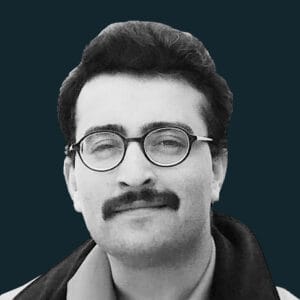
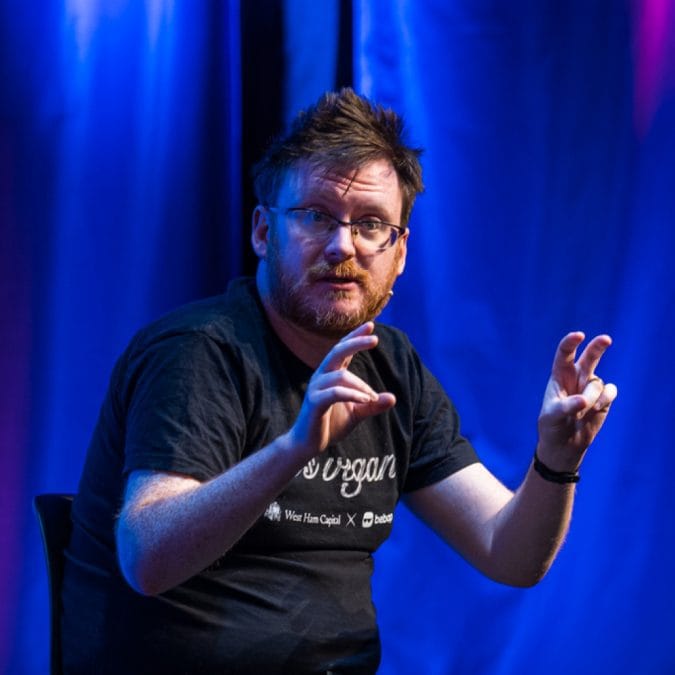
Episode 68 of Season 5 of The Scoop was recorded with The Block's Frank Chaparro, and Wildcat Protocol creator Laurence Day
Listen below, and subscribe to The Scoop on Youtube, Apple, Spotify, Google Podcasts, Stitcher, or wherever you listen to podcasts. Please send feedback and revision requests to [email protected].
This episode of The Scoop was recorded with Wildcat protocol creator Laurence Day live from the Ethereum Community Conference in Paris.
Outline:
00:10 Intro
03:03 Laurence & law school
04:53 Wildcat protocol
09:29 Balancing proprietary data and transparency
12:31 Collapsed crypto lenders
14:55 EthCC Paris
16:52 Wormhole hack
20:01 Grey hat hackers
24:22 Closing thoughts
Day, a well-known figure on Crypto Twitter who trained as a lawyer before moving full-time into digital assets, walks host Frank Chaparro through that background and the thinking behind Wildcat, a protocol designed to let market makers and other institutional-style borrowers arrange undercollateralized, permissioned credit lines on-chain rather than relying on the over-collateralized model that dominates most of decentralized finance.
The two discuss why Wildcat's design deliberately sacrifices some transparency in exchange for the kind of proprietary deal terms and lender discretion that traditional credit markets take for granted, and Day makes the case that this tradeoff is necessary if on-chain lending is ever going to compete with how credit actually functions off-chain. Much of the conversation is colored by the fallout still working through the industry roughly a year after a wave of centralized crypto lenders collapsed, wiping out billions in customer funds and pushing borrowers and lenders alike to look for more resilient, transparent alternatives.
Day and Chaparro also dig into the mechanics of the Wormhole bridge exploit as a jumping-off point for a broader discussion of grey hat hackers, counter-exploits, and the legally ambiguous space that white-hat intervention occupies when funds are drained from a protocol. Day shares his own view on when courts should step in to adjudicate disputes over exploited or recovered funds versus when the industry ought to be left to police itself, a debate that had taken on new urgency as more DeFi teams turned to litigation to claw back stolen assets.
The episode closes with Day's outlook on where undercollateralized, relationship-based lending fits into DeFi's next phase as the market matures beyond its purely permissionless roots, and what safeguards protocols like his need to build in from the start rather than bolt on after a crisis.